




Market News
Bulgaria is joining the euro. Here's what it means for consumers and businesses - THE INDEPENDENT
Story by
On New Year's Day, Bulgaria will achieve its decades-old goal of joining the euro currency union and deepening ties with the more prosperous countries of Western Europe.
Membership is expected to promote cross-border trade and investment, and the Bulgarian government pressed for years to get in. Yet polls show the changeover is taking place against a background of widespread skepticism among ordinary people.
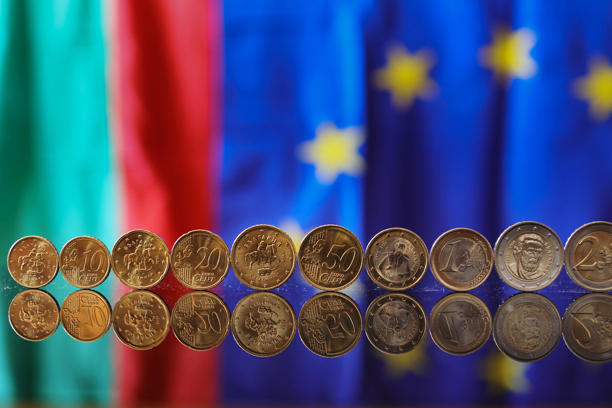
Here are things to know as Bulgaria and its 6.4 million people become the 21st member of the European Union's shared currency:The big switch on New Year’s DayIn the run-up to the big switch, price tags and bank accounts have had to show both currencies, at the fixed rate of 51 euro cents to the outgoing currency, l be able to pay in levs for about a month, but they will start getting their change in euros. Old notes and coins are expected to be out of the economy in a matter of weeks.
Until June 30, old money can be exchanged for no fee at banks, post offices and the Bulgarian Central Bank, and indefinitely at the central bank.
Smoother foreign trade, travel and investment
Membership means Bulgaria is part of a much larger economic entity — the eurozone, with its internationally used currency and central bank that sets interest rates across the currency union.
A single currency means that, for example, Bulgarians can vacation in neighboring EU and eurozone member Greece and not have to exchange money or come back with leftover bills and coins they can't spend at home. The euro also makes it easier for people to compare prices when shopping online across borders or planning travel.





