




Market News
EU gives countries entry/exit system 'flexibilities' to combat airport delays
Story by

The automated IT system will register non-EU nationals, including UK citizens, entering the Schengen Area, which includes most of the EU, plus Iceland, Norway, Liechtenstein and Switzerland.
Travellers will be required to register biometric details, including fingerprints and photographs.
The new system was first launched in October 2025, but airports and ports initially had until April 2026 to fully implement the technology as a mandatory requirement.
However, the EU has now made the decision to give 29 participating countries a more flexible timeline for the new border system's introduction until early September.
According to Mark Lammert, the European Commission's spokesperson for internal affairs, the 'progressive deployment' of the EES will end on 9 April, 2026.
He added: 'The EES regulation foreees already certain flexibilities for member states for the period after the completion of the roll-out in April this year.
'After the completion of the roll-out, member states will still be able to partially suspend EES operations, where necessary, during a period of an additional 90 days, with a possible 60-day extension to cover the summer peak.'

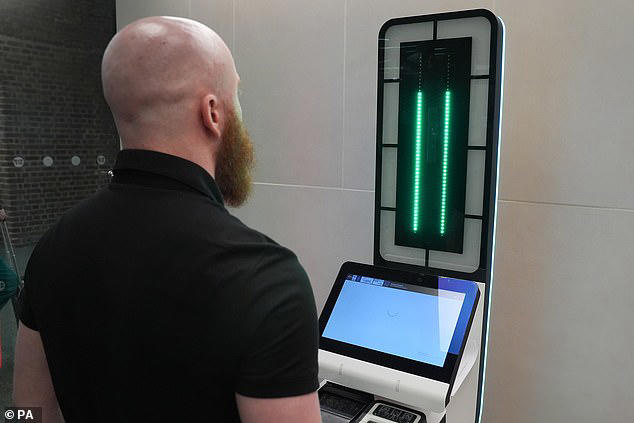
Lammert further told Business Travel News Europe that the legislation intentionally included this additional flexibility to equip member states with the resources required to handle potential holiday travel delays.
The decision may have come at the right time, as the new system has already been causing significant delays for air passengers, who have reported long lines as people navigate the processing procedures for the first time.
In some cases, delays have resulted in passengers missing their flights.
Over the Christmas period, processing times for passengers escalated by 70 per cent for the new checks caused by the rollout of the EU's new entry and exit system, the Airports Council International (ACI) in Brussels reported.
Other sources warned of 'serious concerns of bedlam next summer' if the chaos continued.
In addition, the new entry/exit system is causing gates to crash at Gran Canaria Airport, delaying flights on December 30, 2025 and January 10, 2026.
A Daily Mail writer, who was travelling to the airport at the time, explained: 'The European entry/exit system caused all the passport gates to crash on my way into Gran Canaria AND the way out.
'It delayed my flight back (Saturday, January 10) as obviously none of the Brits could get on the plane. They had to wheel out security guards to come and stamp us all, because the system completely shut down so many times.'
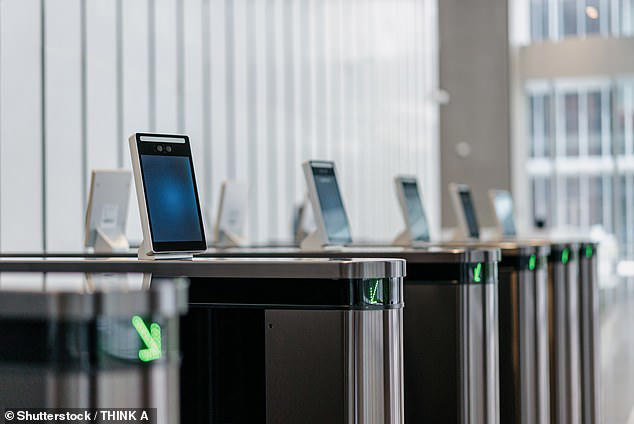


They added: 'There are queues anyway because it's quite tricky for a lot of people to master the finger printing. But when it all went red a second time, they just had to send us to security and abandon the finger printing.
'Then on the way back (January 10) the same thing happened right in front of the gate - so we could all see our planes boarding. Nail biting!'
In January, Lisbon airport was also reinforced with soldiers trained as border guards to reduce waiting times after security flaws led to the European Entry Exit System (EES) digital border rollout being suspended a month before in December 2025.
24 members of the National Republican Guard were stationed in the arrivals area at Humberto Delgado Airport, a measure approved by the government, a news agency in Portugal reported. It is not known how long the country's GNR soldiers will remain on duty.





