
Market News
Ivory Coast cocoa mid-crop forecast cut after weak rains, sources say - REUTERS
Key Points
- Mid-crop seen nearly halving to 300,000-350,000 tons after weak October rains
- Industry cuts 2026/27 Ivory Coast cocoa output forecast to 1.5-1.6 million tons
- Flowers and young pods seen vulnerable to Harmattan winds after erratic rainfall
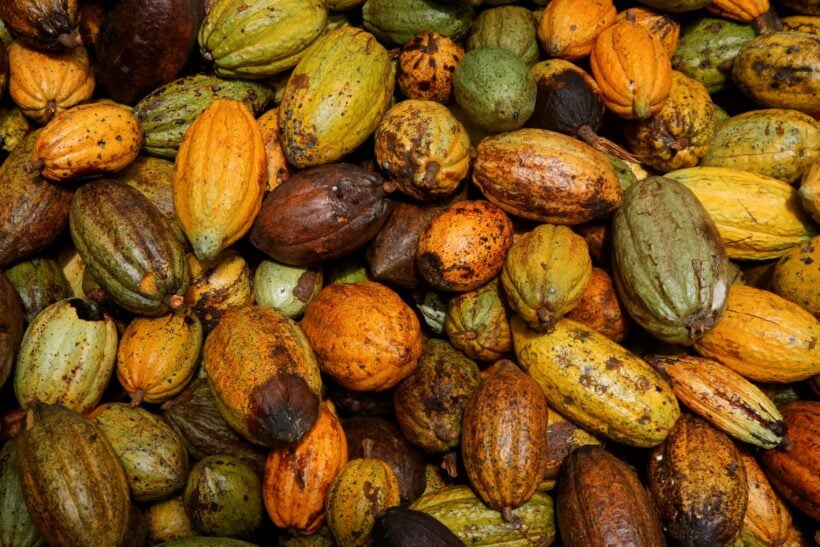
Luc Gnago | Reuters
ABIDJAN, Nov 4 (Reuters) – Ivory Coast’s 2026/27 cocoa mid-crop could almost halve after weak and erratic El Nino-linked rains in October did little to help flowering and pod development, according to exporters, pod counters and cooperatives.
The world’s top cocoa producer is expected to harvest 300,000 to 350,000 metric tons of cocoa during the April to September mid-crop, down from about 600,000 tons last season, three pod counters and five exporters told Reuters.
They now forecast total 2026/27 production at 1.5 million to 1.6 million tons, down from around 1.7 million tons projected in September and 25% to 30% below the 2.15 million tons delivered to ports last season.
The current El Nino is among the strongest on record by some measures. It is typically associated with weak rains across West Africa’s cocoa belt from September to November, followed by strong, dry Harmattan winds.
‘A VERY AVERAGE MID-CROP’
“We had some rains in the second half of October, but they were irregular,” said one pod counter. “They won’t change the picture for the main crop and they revived concerns about a very average mid-crop.”
A month ago, industry participants had hoped October rains would provide relief for trees weakened by prolonged dry weather. They now say the rains arrived too late and were too uneven to have a meaningful impact.
Of 17 industry participants surveyed by Reuters, only three said plantations looked better than a year ago.
Most said flowers and small pods that emerged after the rains were unlikely to survive the Harmattan winds expected in December and January or the dry season from January to March.
“The rains came, but they were not strong enough, and the heat that followed was intense,” said the director of a European export company in Abidjan.
The main crop, harvested from September to February, is still expected to total about 1.2 million tons, compared with 1.5 million tons last year, according to Coffee and Cocoa Council director Yves Brahima Kone.
Some pod counters had estimated the crop at as much as 1.3 million tons a month ago.
Exporters expect port arrivals to strengthen in November and December as the main crop reaches its peak, although volumes are still seen below last year’s levels.
Arrivals are expected to decline sharply in January and February as the lower production begins to bite.
“We expect arrivals of 75,000 to 85,000 tons per week in November and December, versus 100,000 to 110,000 tons a year ago,” said the head of another European export company in Abidjan.
A third exporter forecast total arrivals of about 700,000 tons in November and December and 150,000 to 200,000 tons in January and February.