
Market News
UN, EU Reaffirm Commitment To Nigeria’s Development - VON
The United Nations (UN) and the European Union (EU) have reaffirmed their commitment to strengthening cooperation in support of Nigeria’s development priorities, improving project delivery and ensuring sustainable impact across the country.
The UN Resident and Humanitarian Coordinator in Nigeria, Mohammed Fall, and the Head of the EU Delegation to Nigeria and ECOWAS, Ambassador Gautier Mignot, disclosed this in Abuja during the EU–UN Strategic Partnership Dialogue.
The dialogue focused on strengthening cooperation, improving project delivery and advancing collective impact across Nigeria, with particular emphasis on UN reform, collaboration between the EU and its member states, and key EU–UN partnerships.
Speaking at the event, Fall said the partnership between the EU and the UN remained crucial to advancing development, humanitarian assistance, international solidarity and multilateralism, particularly amid growing global concerns about international cooperation.
READ ALSO: UN, EU, Partners Pledge Support for Vulnerable Families in Nigeria
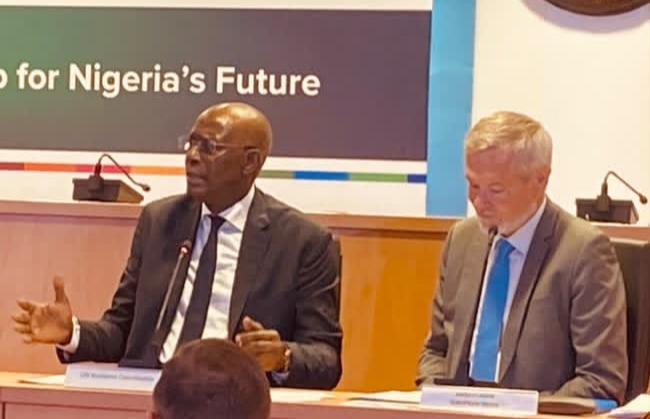
He noted that the EU was one of the biggest supporters of the UN, providing assistance beyond financial contributions, with projects valued at approximately $400 million in Nigeria.
“There are a lot of issues and questions around multilateralism and international solidarity, but the UN and the EU stand together to support solidarity between countries, multilateralism, development and humanitarian assistance,” The UN Resident and Humanitarian Coordinator stated.
He explained that the partnership provided an opportunity for both organisations to renew their commitments, review progress, identify areas requiring improvement and address emerging challenges.
The UN coordinator stressed the need for stronger collaboration with the Nigerian Government to address the country’s development challenges and growing humanitarian needs.
“We need to work together and have the Nigerian Government increase its engagement and mobilisation of domestic resources to tackle the development gaps, as well as humanitarian assistance needs in the country,” Fall urged.
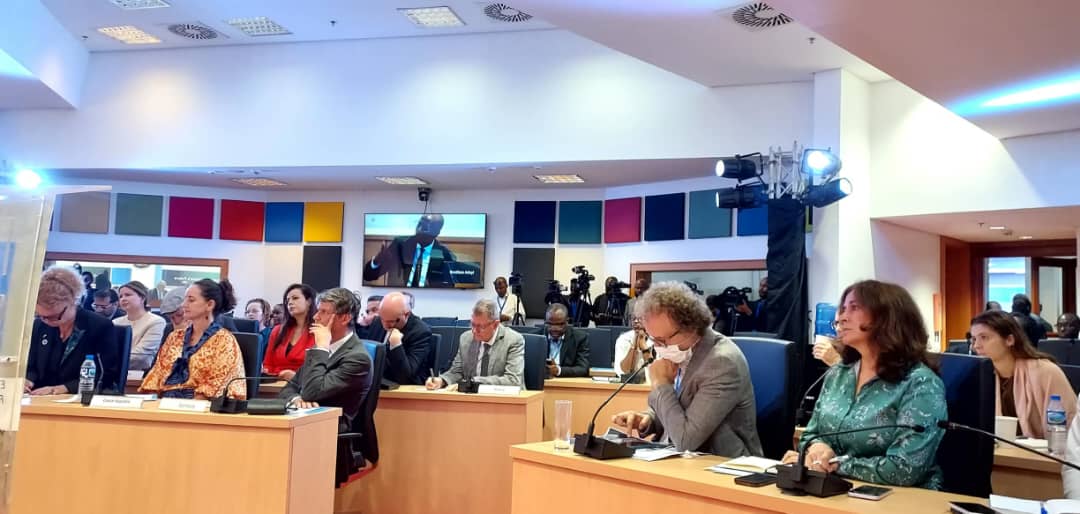
He added that sustained cooperation among international development partners and the government was essential to ensuring that interventions translated into tangible benefits for Nigerians.
Also speaking, Mignot identified education, governance, democracy, human rights and security as priority areas of the EU–UN partnership, describing them as critical enablers of investments by both organisations.
He said the strategic dialogue was designed to strengthen the partnership and improve project delivery to ensure that Nigerian citizens benefited directly from the interventions.
According to Mignot, the EU and the UN had reviewed their project portfolio, comprising about 32 projects implemented in collaboration with 16 UN agencies, with EU-funded projects worth more than half a billion dollars.
“We have reviewed our portfolio of projects, some 32 projects, more than half a billion dollars’ worth of EU-funded projects working with 16 UN agencies,” the EU envoy explained.
He noted that the partnership combined the EU’s financial contributions and grants with the UN’s technical and political expertise, enabling both organisations to address development challenges more effectively.
“So, we combine all financial contributions or grants from the EU and the technical expertise, and political expertise of the UN on the field,” Mignot said.
The EU envoy further explained that the partnership extended beyond the two international organisations to include Nigerian authorities at both federal and state levels.
He stressed that collaboration with government institutions was necessary to align interventions with Nigeria’s development priorities and strategies while ensuring that multilateral cooperation produced practical results for citizens.
The dialogue also provided an opportunity for the EU and the UN to assess ongoing programmes, strengthen coordination among development partners and explore ways to improve the effectiveness of interventions across the country.
Both organisations reiterated the importance of sustained cooperation in addressing Nigeria’s development challenges, strengthening institutions and responding to humanitarian needs through coordinated and results-oriented interventions.