Market News
Oil resumes rally as Iran reportedly wants to keep enriched uranium within the country - CNBC
BY Justina Lee
- Iran’s Supreme Leader Ayatollah Mojtaba Khamenei reportedly issued a directive that near-weapons-grade uranium in the country should not be sent abroad.
- International Energy Agency chief said oil markets could enter a “red zone” soon as global stocks dwindle.
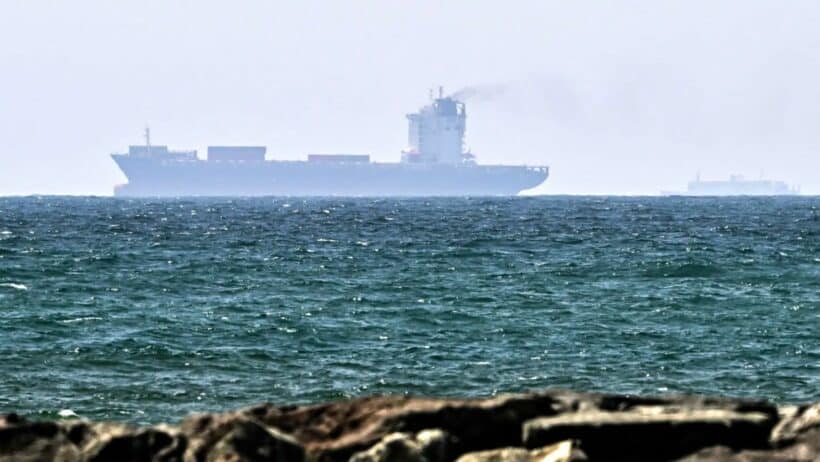
Oil prices resumed their rally Friday after declining for three straight sessions as investors weighed mixed messaging on Iran peace deal negotiations.
While statements from the U.S. had signalled the peace deal was imminent, Iranian leadership’s reported stance of keeping enriched uranium within their country has raised worries of an extended conflict, keeping oil supplies disrupted for longer.
July futures for international benchmark, Brent crude, gained 1.9% to $104.52 a barrel in early Asia trading, while U.S. West Texas Intermediate futures for June advanced 1.5% at $97.81 per barrel.
Iran’s Supreme Leader Ayatollah Mojtaba Khamenei issued a directive that near-weapons-grade uranium in the country should not be sent abroad, Reuters reported, citing Iranian sources.
This comes after U.S. President Donald Trump said that Washington was in the “final stages” of negotiations with Iran, according to a pool report.
Worries over oil supplies continue to linger with the International Energy Agency warning that as travel demand grows during the summer season, oil markets could enter a “red zone” soon as global stocks deplete.
The most important solution to the energy shock caused by the Iran war would be the Strait of Hormuz’s full and unconditional reopening, IEA Executive Director Fatih Birol said, adding that developing Asian and African countries will feel the “biggest pain of this crisis.”
“Energy executives warned that full normalization of Middle East oil supply may not occur until 2027 due to the scale of disruptions caused by the conflict,” according to a recent note by MUFG.
The Iran war, which started in late February, has been disrupting the traffic via the crucial Strait of Hormuz, that saw about a fifth of the global oil and liquefied natural gas passes through it prior to the war.
—CNBC’s Sam Meredith contributed to the report.